Realistic Comic Figures: Heroes and Villains at Life-Size Scale
Close your eyes for a moment and imagine this: you walk into a quiet room, the lighting dimmed. And there, standing in the corner, is Batman—cape flowing, gaze sharp, and posture imposing, as if he's silently evaluating your personal sanctuary. But he’s not just a statue. He’s a 1:1 scale figure, a tribute to decades of stories, battles, losses, and victories.
Yes, realistic comic figures aren’t just collectibles. They’re art pieces. They’re physical homages to characters that have shaped pop culture for generations. And if you're here reading this, it's because, like me, you’re drawn to the idea of sharing space with your icons—beyond the page and the screen.
More Than Figures: The Emotional Bond with Characters
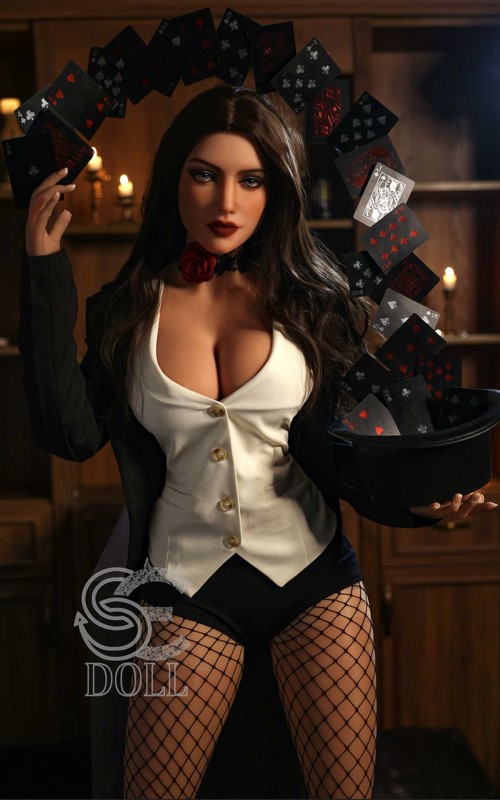
Why do we feel something so deep when we see a life-size figure of Spider-Man, for example? Maybe it’s because we’ve known him our whole lives. We grew up with him. We saw Peter Parker lose, win, laugh, and break down. And when you have a realistic representation of him in your room, that story becomes tangible.
Realistic comic figures have that power: they make emotional memory physical. When you see Wonder Woman standing in your workspace, it’s not just her armor or tiara you notice. You remember her battles, her ideals, the humanity behind her strength.
And if we talk about Superman, having a hyper-detailed figure of him with his cape flowing like it’s caught in the wind—it’s like having a symbolic protector watching over you. A figure that quietly reminds you what hope means.
Iconic Characters with Realistic Comic Figures
There’s something extraordinary about seeing comic book characters brought into the physical world. Not as toys or small-scale models, but as life-size sculptures that reflect every layer of their identity. Whether it’s a brooding vigilante or a chaotic villain, realistic comic figures capture not just the image but the essence of the character.
Heroes, for instance, are often portrayed in proud, iconic poses—standing tall, embodying ideals like justice, courage, or resilience. These figures remind us that light can still exist in dark times. Every sculpted detail—from their armor to their facial expressions—echoes decades of legendary feats and inner battles.
But villains? Villains are just as powerful, if not more so. In the world of realistic comic figures, antagonists share the spotlight. Many of these statues delve into psychological complexity—showcasing madness, menace, or brutal cunning. A villain’s glare might unsettle you. Their stance might challenge your sense of safety. But that emotional impact is exactly what makes them unforgettable.
Some collectors stage showdowns in their display rooms—hero versus villain, locked in eternal tension. Others present them side-by-side, allowing the viewer to contemplate the fragile line that separates justice from destruction.
And time plays a role, too. These figures capture characters in specific moments: the exact second the hero refuses to give up, or the iconic frame where the villain seizes control. They reflect visual evolution across decades—changing costumes, roles, morals—preserved in sculpture.
In short, these life-size representations don’t just celebrate design; they celebrate meaning. Realistic comic figures are personal monuments to stories that never fade.
The Fandom Behind Realistic Comic Figures
Let’s get personal for a second. If you’re reading this, chances are you’re part of this world too.
Fans of realistic comic figures are more than buyers. They’re storytellers. Every figure they own represents a connection: the first comic they ever read, a scene that changed their perspective, a character who helped them through something real.
Many fans create themed spaces—entire rooms modeled after Gotham, display corners that feel like Stark Tower, or shelves arranged like a superhero museum. Others share their setups online, where communities celebrate not just the figures, but the meaning behind them.
There’s also an artistic side. Some fans customize their life-size figures with lighting, special effects, props, or even diorama-style environments. It becomes a creative form of tribute—turning display into art and art into emotion.
Realistic comic figures are more than sculpture. They're visual storytelling, deeply personal, and shared across a global fanbase that understands the emotional weight of these characters.
The Cultural Impact of Comics in the Physical World

We often forget that comics were once dismissed as simple entertainment. But over the years, superhero stories, antiheroes, and villains have become modern mythology. Today, characters who began in ink and paper are cultural icons—symbols of justice, resistance, identity, trauma, and hope.
This is exactly where realistic comic figures shine.
These life-size sculptures are not decorative. They’re vessels. They carry the symbolic weight of the characters they portray. A figure of Black Panther doesn’t just capture his visual power—it brings with it the spirit of legacy, empowerment, and cultural representation. A statue of Magneto isn’t just a villain—it’s a conversation about justice, vengeance, and the trauma of oppression.
These figures are bridges between visual art and physical art. They offer decades of storytelling in a single sculpted pose. And more than that, they allow fans to connect with their characters in a new dimension—where fiction becomes a physical part of your world.
In this way, realistic comic figures are cultural capsules. They are pop art, sculpture, tribute, and memory.
How Comic-Con Brings Realistic Comic Figures to Life
If you’ve ever been lucky enough to attend a Comic-Con—whether in San Diego, New York, Madrid, or São Paulo—you’ll know the exact feeling of turning a corner and being face-to-face with a life-size figure of Harley Quinn, Venom, or Iron Man.
It’s breathtaking. You stop. You take a photo. You walk around the figure just to admire the textures, the posture, the gleam in the eyes. And for a second, your favorite character isn’t on a screen. They’re right there with you.
Realistic comic figures are absolute stars at pop culture conventions. They’re not just marketing props; they’re often the centerpieces of major exhibits or collector showcases. Sometimes they represent upcoming movies or shows. Other times, they’re fan tributes or private custom builds shown to the public.
But more than that, they’re emotional magnets. Cosplayers gather around them. Fans connect over them. And strangers bond in shared admiration for the same character.
For the sculptors and designers, these events are stages to reveal their mastery. The realism of the materials, the accuracy of the pose, the texture of the suit—Comic-Con becomes a gallery of modern mythology.
The presence of realistic comic figures at these events confirms one thing: fandom isn’t passive. It’s immersive. It’s experiential. It’s art, community, and story—all sculpted into one unforgettable form.
In the end, these aren’t just sculptures. They’re echoes of the stories that shaped us. Every wrinkle in a cape, every glint in a sculpted eye, every perfectly frozen pose speaks to something deeper—a memory, a moment, a feeling.
Realistic comic figures remind us that heroes, villains, and everything in between aren’t just lines on a page. They live in us. They grow with us. And now, they stand beside us.
So whether your favorite character watches over your room in silence or stirs your imagination with every glance, know this: you’re not just collecting figures. You’re preserving mythology. You’re honoring story. You’re building a space where fiction and identity collide.
Because here, in this world of full-scale legends, nothing is ever just a figure.


Comentarios
Publicar un comentario